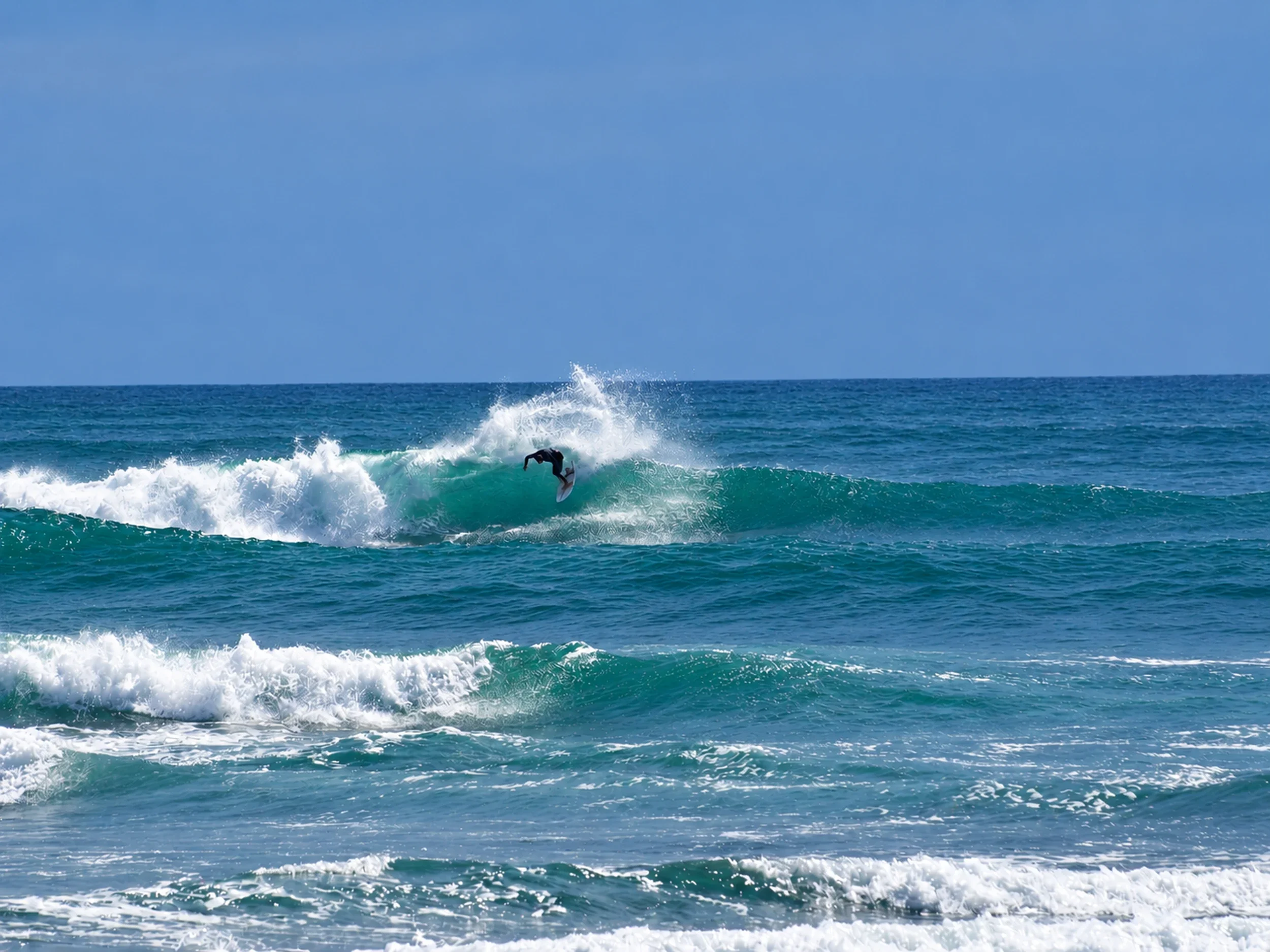
Surf Spot Map: Mal País, Santa Teresa & Cabuya
Stay Near the Surf in Mal País, Playa Carmen & Santa Teresa
Use our surf map to discover breaks around Mal País, Santa Teresa and Cabuya, with approximate distances and drive times from Pacific Azure. Watch surf footage we’ve filmed in the area, then explore each spot below for photos and local insights to help you plan your next session.
Local Knowledge, Better Surf Sessions
Your host, is an experienced surfer who has spent over 25 years surfing the Mal País, Santa Teresa and surrounding coastline. Stay at Pacific Azure and tap into his local knowledge, from choosing a break that suits your level to understanding how swell, wind and tides affect the waves so you can make the most of your next surf trip.
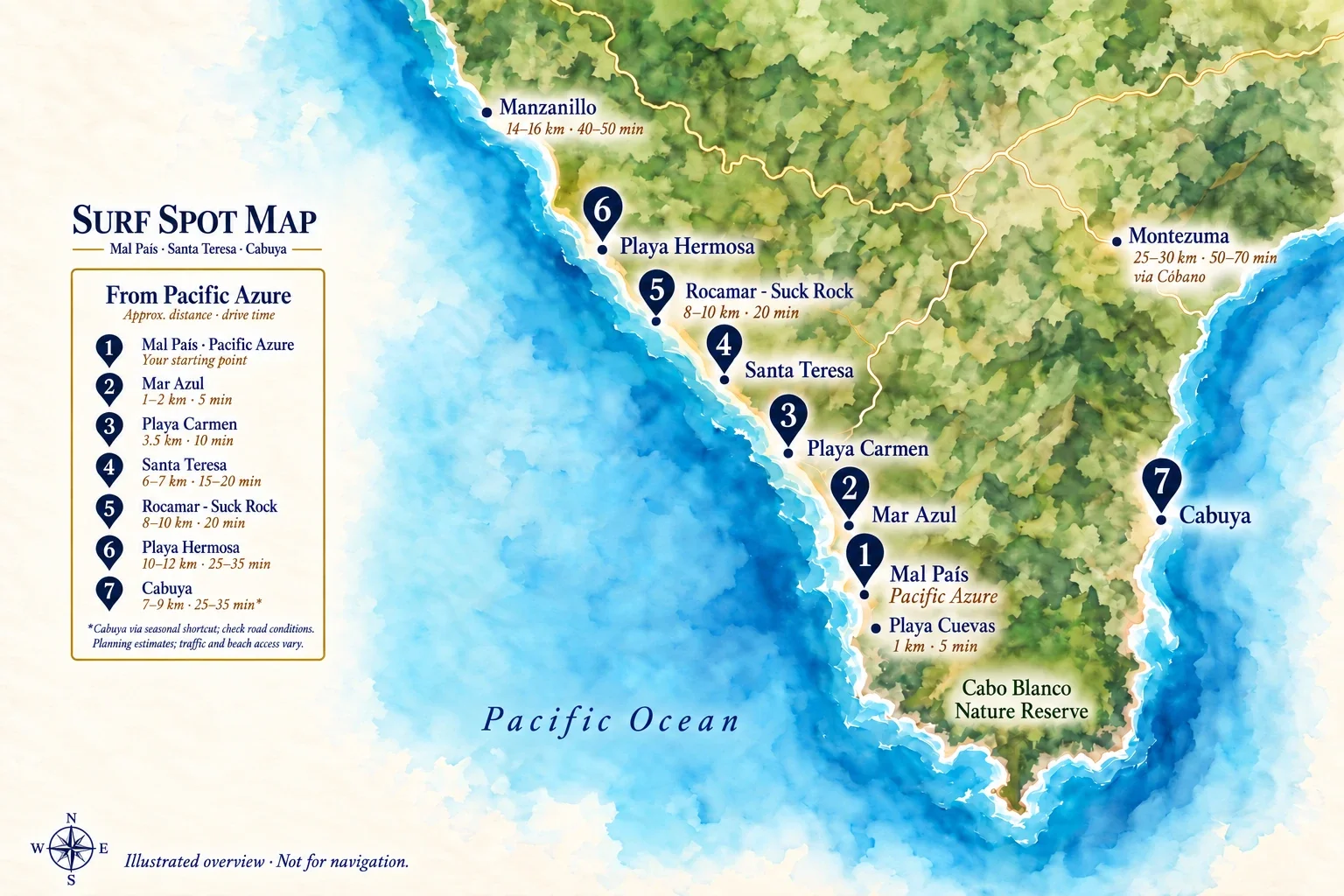
Explore surf spots around Pacific Azure, with approximate driving distances and times to breaks along the Mal País, Santa Teresa and Cabuya coastline.
Watch Local Surf Videos: Mal País, Santa Teresa & Cabuya
Explore the Surf Spots
1. Mal País — Pacific Azure
Pacific Azure vacation rentals in Mal País are your starting point for exploring the surf spots on this map. Stay a short walk from local beaches and tide pools, with the beach breaks of Playa Carmen and Santa Teresa a short drive away.
2. Mar Azul
Description: Mar Azul is a rocky left-hand point break in Mal País that comes to life with a solid swell. When conditions line up, its sections can connect into long, enjoyable rides—a different experience from the faster beach breaks of Playa Carmen and Santa Teresa.
Crowd: Often quieter than the main beach breaks, though don’t expect an empty lineup when it’s working well.
Ideal Swell: A solid south or southwest swell.
Wave Height: Generally worth checking when the surf is head-high to overhead and there’s enough swell to connect the sections.
Tide: Mid to high tide is generally preferred. Exposed rocks make low tide more hazardous, and the best window depends on the swell and section.
Best For: Intermediate surfers comfortable with rocky takeoffs and reef breaks.
X-Factor: Mar Azul can come into its own when a larger swell overwhelms the nearby beach breaks. The rocky bottom shapes the wave, but makes choosing your takeoff carefully essential.
Local Tip: If Playa Carmen is closing out, Mar Azul is worth a look. Watch several sets and identify your entry and exit before paddling out.
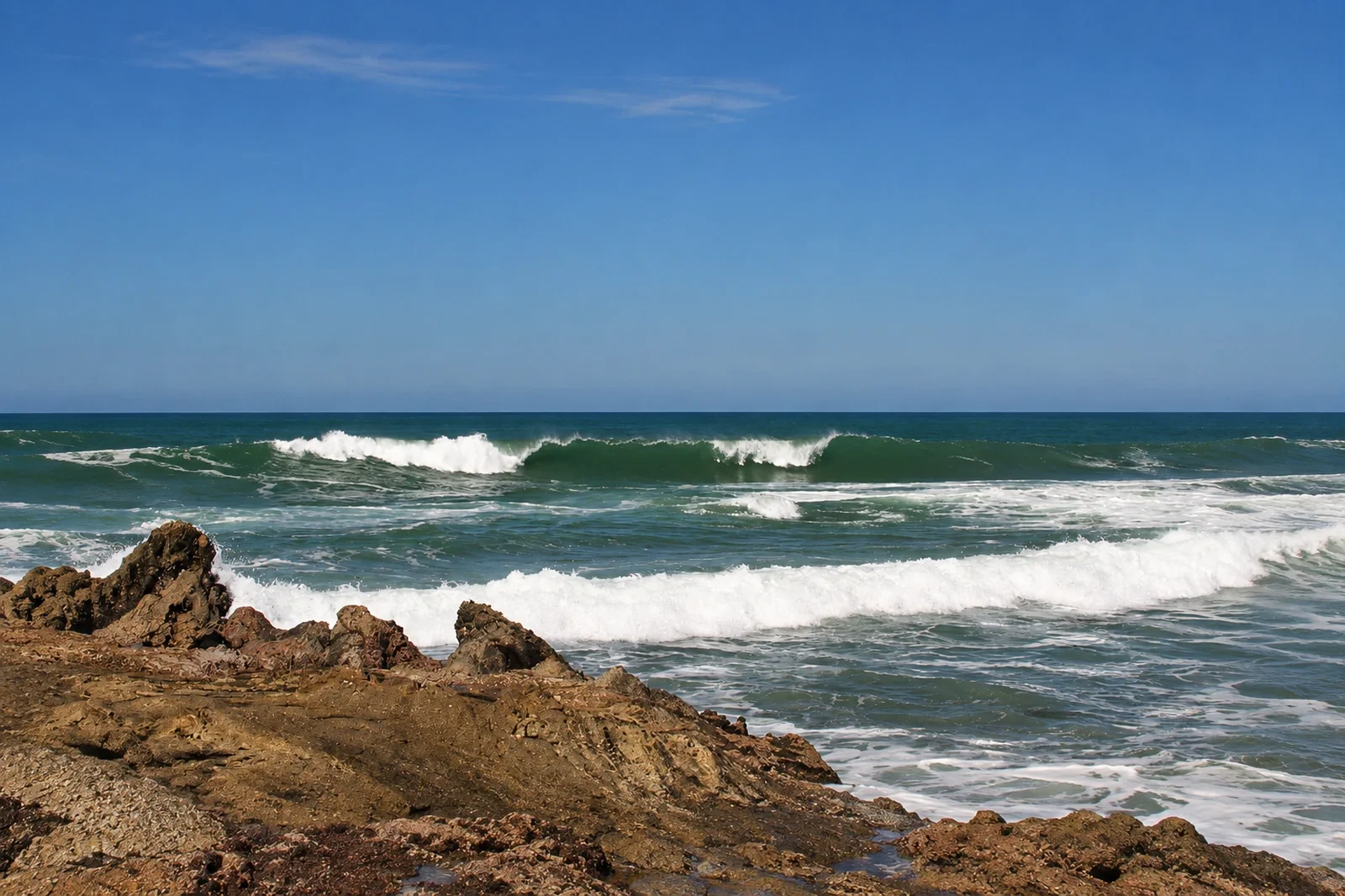
Mar Azul, a left point break in Mal País, Costa Rica.
3. Playa Carmen — Consistent Beach Breaks
Description: Playa Carmen sits between Mal País and Santa Teresa and is one of the area’s most consistent surf spots. Its sandy beach offers multiple peaks breaking left and right, with playful walls on smaller days and faster, more powerful sections as the swell builds. Around 3.5 km from Pacific Azure, it’s an easy choice for a nearby surf session.
Crowd: The main beach entrances can get busy, especially during high season from December through April. Surf schools often gather near the most accessible peaks, but walking farther along the beach can help you find more space.
Ideal Swell: Picks up both south and southwest swells, as well as northwesterly swells. The best peaks depend on swell direction and the shifting sandbars.
Wave Height: Knee-high to a couple of feet overhead. Smaller days offer fun waves for longboards and learning, while head-high and overhead surf suits more experienced surfers.
Tide: Generally best around mid tide and on the push toward high tide. Sandbars change, so watch how the waves are breaking before choosing your peak.
Best For: Beginners taking lessons in smaller conditions, intermediate surfers looking for practice, and experienced surfers chasing turns or an occasional barrel.
X-Factor: The paddle out can be surprisingly demanding when there’s swell. Repeated lines of whitewater and strong currents can give your shoulders a workout, even when the waves look manageable from shore.
Local Tip: Take a few minutes to scan the beach before paddling out. Look for a sandbar with an open shoulder and space away from lessons, and keep an eye out for beginners and loose boards on the inside.
Playa Carmen is a very consistent beach break. Pictured here early morning high tide.
Playa Carmen, Costa Rica - Dry season and going off!
4. Santa Teresa - La Lora
Description: Playa Santa Teresa’s La Lora area is known for consistent, powerful beach breaks with peaks breaking left and right. Compared with Playa Carmen, the waves here often have steeper faces and punchier sections, offering fast walls for turns and opportunities for barrels when the sandbars, swell and wind line up.
Crowd: La Lora is a popular spot with local surfers and visitors, and the main peaks can get busy. Walking along the beach may reveal a less crowded sandbar, but always respect the lineup and give other surfers space.
Ideal Swell: South and southwest swells bring plenty of energy to this exposed stretch of coast. Wave quality depends on swell size, direction and the shape of the sandbars.
Wave Height: Waist-high to overhead. Smaller days can offer playful waves, while head-high and overhead conditions bring more powerful takeoffs and heavier sections. Larger swells can overwhelm some sandbars and produce closeouts.
Tide: Worth checking around low to mid tide, when the waves can become steeper and more hollow. A rising tide may offer more forgiving shoulders, depending on the sandbars.
Best For: Intermediate and advanced surfers looking for a more powerful beach break. Beginners are better suited to small conditions with an instructor who can choose an appropriate section.
X-Factor: La Lora’s punch can turn an ordinary-looking wave into a fast, hollow section. That same power means stronger currents, heavier wipeouts and a demanding paddle when the swell builds.
Local Tip: From the main parking area, walk north or south along the beach to find less crowded peaks.
Clean fun surf! Santa Teresa, Costa Rica
Playa Santa Teresa, Costa Rica
5. Rocamar – Suck Rock
Description: Around 20 minutes from Pacific Azure, the Rocamar area in northern Santa Teresa offers powerful beach-break peaks alongside the distinctive right-hand break at Suck Rock. When enough swell arrives, the rocky point can produce fast walls and hollow sections, giving experienced surfers a different option from the surrounding sandbars.
Crowd: A good swell can draw experienced surfers to the point. Respect the rotation and avoid paddling straight to the main takeoff.
Ideal Swell: A solid swell with enough size and the right direction to make the point connect.
Wave Height: Suck Rock comes to life when the surf is overhead and can hold well-overhead to double-overhead waves.
Tide: Suck Rock can work through different tides, with lower water sometimes producing sharper, hollower sections. The exposed rocks make positioning more critical as the tide drops.
Best For: Advanced surfers at Suck Rock. Confident intermediate surfers may enjoy the nearby beach break when conditions are manageable.
X-Factor: The rocky bottom helps shape Suck Rock’s powerful right, creating a more defined takeoff and potentially hollow sections. Timing and positioning matter here, especially as the swell builds.
Local Tip: When the swell is pumping, this is the place, if you’ve got the nerve and the skills to match!
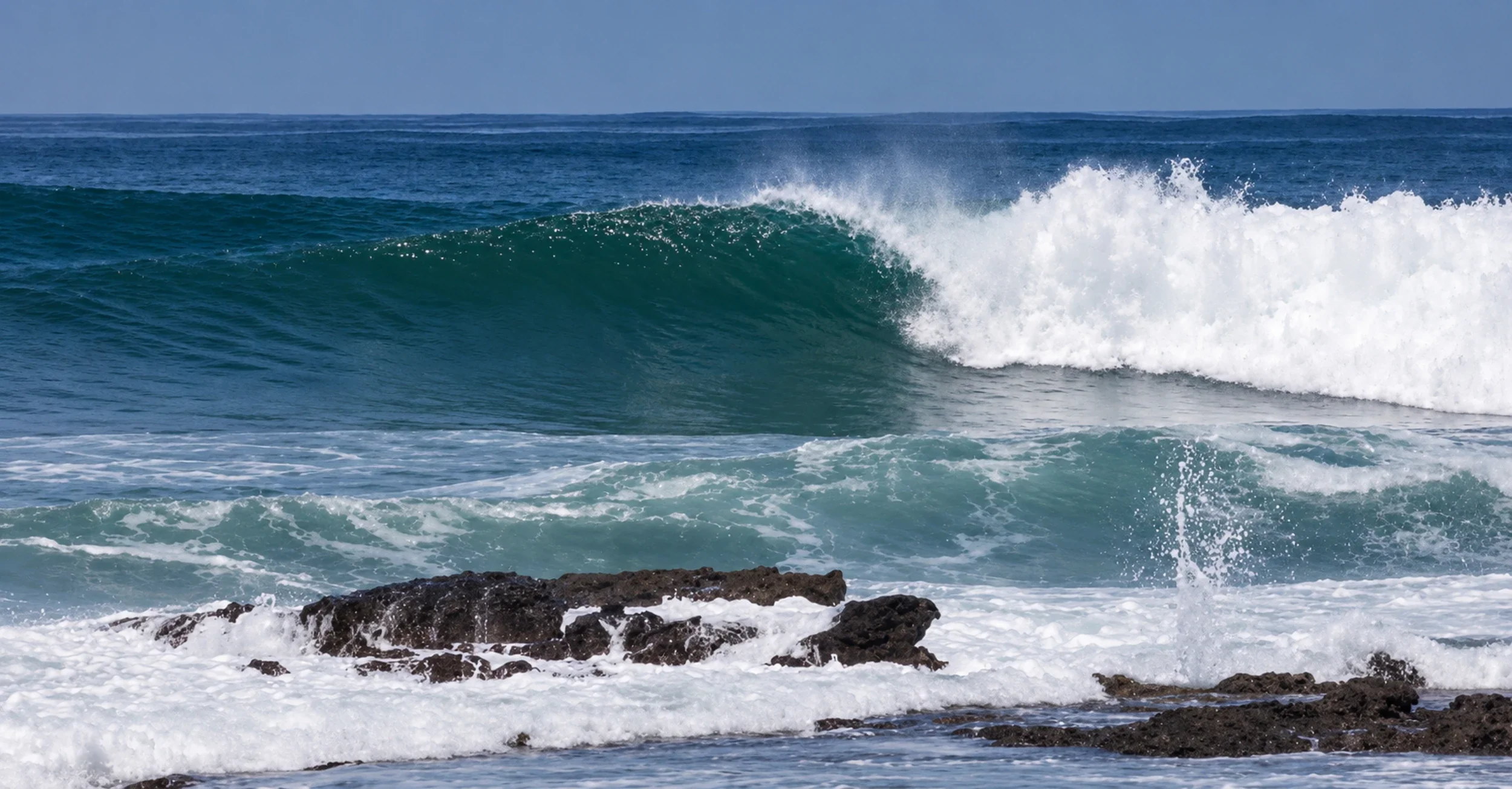
Suck Rock, aka Rocamar in northern Santa Teresa, Costa Rica
6. Playa Hermosa — Northern Santa Teresa
Description: Playa Hermosa is a wide, scenic beach with consistent surf and plenty of peaks to explore. Located just north of Santa Teresa, it offers everything from mellow waves for surf lessons to fast, powerful walls for experienced surfers. On smaller days, surf schools teach on the inside while more confident surfers head out to the main peaks. With a solid swell and the right sandbanks, Hermosa can deliver excellent overhead surf and barrels.
Crowd: Popular with surf schools and visiting surfers, particularly from January through April. The main access areas can get busy, but the long stretch of beach offers room to spread out.
Ideal Swell: South to southwest swells bring consistent surf. Smaller swells offer more approachable conditions, while larger pulses create stronger, more demanding waves.
Wave Height: Fun from knee-high to well overhead. Smaller days suit lessons and relaxed sessions, while overhead surf offers more power and opportunities for experienced surfers.
Tide: Conditions depend on the sandbanks and swell. Check how the peaks are breaking as the tide changes—what looks average at one stage can improve considerably at another.
Best For: Beginners taking lessons in smaller conditions, intermediate surfers building confidence, and experienced surfers looking for playful peaks or bigger surf.
X-Factor: The rocky formations at the northern end can help shape the nearby sandbanks, occasionally producing particularly well-defined peaks. Despite its reputation as a place to learn, Hermosa can pack a punch when the swell builds.
Local Tip: Take a few minutes to watch the whole beach before paddling out. A short walk away from the busiest lesson areas can lead to a less crowded peak with better waves.
Clean waves and open ocean views at Playa Hermosa, on the northern end of Santa Teresa.
7. Cabuya — Playa Cedros & Río Lajas
Playa Cedros
Description: Playa Cedros sits along the coastal road between Cabuya and Montezuma. This rocky point break needs a solid south swell to come to life, but when the conditions line up, it delivers clean, well-shaped waves in a beautiful setting. It’s less consistent than the beach breaks around Santa Teresa, making a good session here worth catching.
Crowd: The takeoff area is relatively concentrated, so even a small crowd can make it feel busy. Respect the lineup and take turns.
Ideal Swell: Medium to large south swells. Swell direction makes a big difference to how much size reaches this side of the peninsula.
Wave Height: Waist-high to well overhead, depending on the swell.
Tide: Generally best around mid to high tide, with more water covering the rocky bottom.
Best For: Intermediate and experienced surfers comfortable surfing around rocks.
X-Factor: Cedros can offer clean conditions when onshore winds spoil the surf around Mal País and Santa Teresa. Its sheltered location also means it needs enough swell to get going.
Local Tip: Check the swell and tide before heading over. When the Pacific-side beach breaks are big, windy and closing out, Cedros is worth a look.
A small day at Playa Cedros, between Cabuya and Montezuma, a scenic stop to check the surf.
Río Lajas
Description: Río Lajas is a rocky rivermouth break in Cabuya that can work like a long right-hand point. With a solid south swell, its sections can connect into excellent rides, offering a different experience from the beach breaks around Mal País and Santa Teresa. It’s a more selective wave, but when it turns on, it can be well worth the trip.
Crowd: Good swells attract a crowd, although several takeoff zones can help spread surfers out. Watch how the lineup works before paddling into a peak.
Ideal Swell: Medium to large south swells with enough energy to reach the Cabuya coastline.
Wave Height: Waist-high to well overhead. Larger swells can help connect the sections into longer rides.
Tide: Higher tides make entering and leaving the water easier over the rocky bottom. Lajas can also be surfed at lower tides, but the exposed rocks require more care.
Best For: Confident intermediate and advanced surfers comfortable with rocky entries and stronger currents.
X-Factor: Low tide brings the “reef dance” on the way in and out, while larger south swells can bring strong currents. Plan your entry and exit before paddling out.
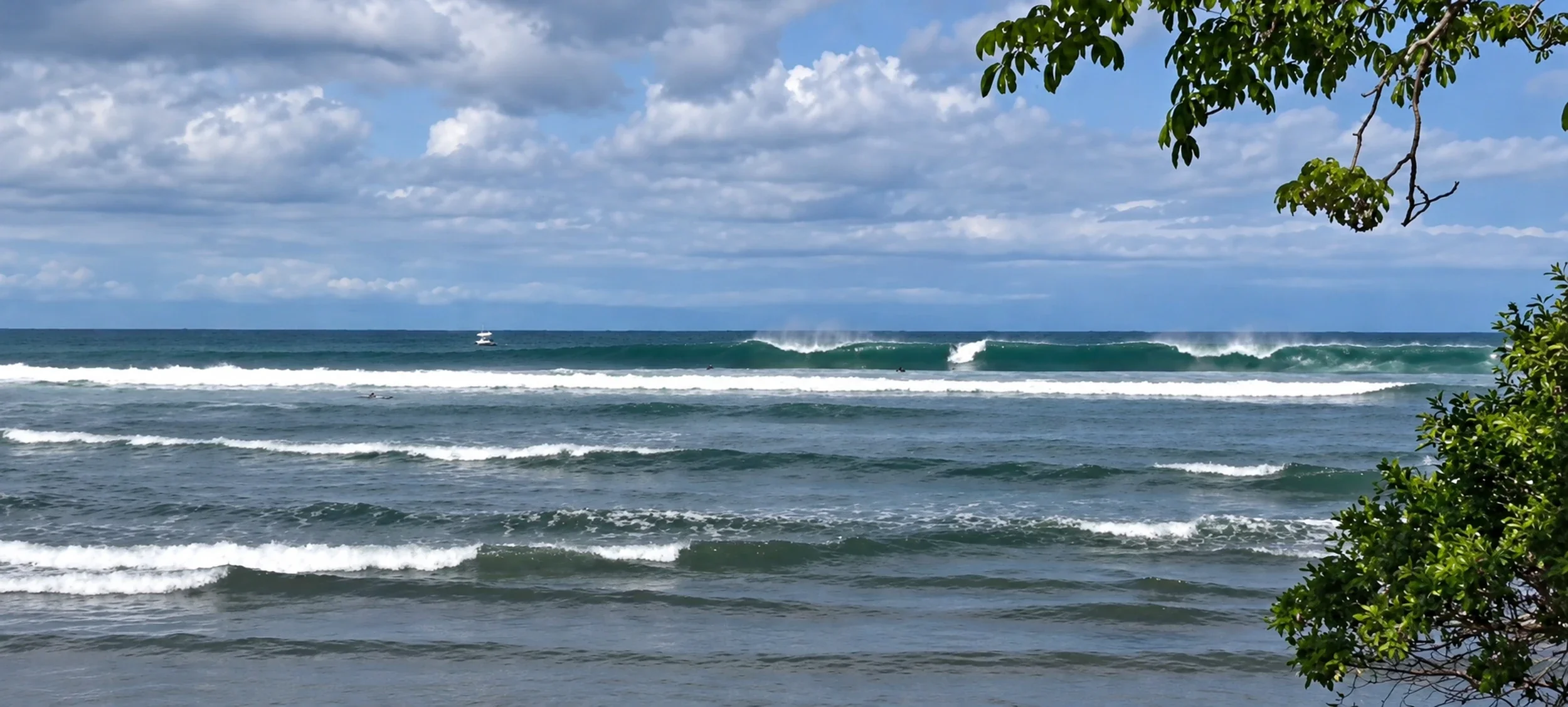
Clean right rolling into Río Lajas, a rocky rivermouth break in Cabuya, Costa Rica.
Outer Reefs & Lesser-Known Surf Spots
For adventurous, experienced surfers, the coastline from Mal País through Santa Teresa to Manzanillo holds several outer reefs and hidden breaks that can deliver world-class surf when conditions line up. These spots demand local knowledge, confident paddling and respect for the reef—connect with an experienced local guide and respect the surfers who call them home.